
Condominium listings present a distinct challenge for real estate photography. The home may be compact, its strongest feature may be the view from one window, and the building may contain amenities that buyers need to distinguish from the private unit. Strong photography should explain all three dimensions: the living space itself, the setting immediately outside it and the services or facilities associated with the building. A beautiful photograph is useful only when the viewer knows what it is showing.
For agents in U.S. and Canadian condo markets, planning begins before the appointment. Identify the unit's distinctive features, prepare every visible room and clarify which common areas can be photographed and marketed. A concise set of purposeful images can tell a more trustworthy story than a long gallery of attractive but disconnected scenes.
Plan around the actual unit, not a generic model
Before booking, verify the floor number, orientation, included rooms, balconies and any separate storage or parking spaces. Ask the property manager about elevator access, photography permissions and amenity hours. Avoid borrowing photos from a similar unit unless they are prominently labeled illustrative and permitted by the applicable rules. Buyers need to see the property they could purchase. A professional shoot creates a consistent visual record that is easier to connect with the agent's floor plan and verified listing details.
Use wide photographs to explain compact spaces
A small living room should not be made to look enormous through excessive distortion. Professional composition can help the room feel open while keeping vertical lines straight and recognizable reference points in frame. Show the route from the entry to the living area and kitchen when possible. A second photograph can capture the opposite direction, especially when the floor plan is unusual. Remove clutter, organize furniture and ensure the natural light is balanced rather than allowing windows to become bright, featureless rectangles.
Capture the view honestly
A skyline or waterfront view can be a major selling point, but the image should show where it can actually be enjoyed. Photograph through the window with enough room context to identify the vantage point. A separate exterior view can supplement that frame, provided the description does not imply unobstructed or exclusive access that does not exist. Do not digitally replace the skyline, conceal neighboring structures or exaggerate the view. Accurate photographs build credibility and reduce the chance that an in-person visit contradicts the online presentation.
Treat balconies and terraces as part of the floor plan
A balcony may be small but functionally important. Show its usable depth, door access, railing, furniture and real outlook with complementary images. If the terrace is shared rather than private, label it accordingly. Photograph during conditions that keep the scene legible and tidy any visible personal belongings. An unusually narrow crop may make a balcony look larger than it is, while a very wide exterior can hide the useful dimensions. A careful photograph helps buyers understand what the area actually accommodates.
Separate shared amenities from private space
Gyms, lounges, pools and rooftops belong in the marketing story only when they are accurately described and accessible to buyers of the listed unit under the relevant arrangements. Confirm the building's photo policy and whether any reservations or fees apply. Group amenity photographs near one another and use clear captions, rather than presenting them as rooms inside the condominium. Make the home itself the centerpiece of the gallery. A buyer should never have to guess which images show the private residence and which show common property.
Give kitchens, baths and storage a useful emphasis
In a condo, kitchens and bathrooms may consume a large portion of the usable footprint. Prepare countertops, appliances and mirrors before the shoot. Capture finish details where meaningful, but prioritize images that show room proportions and placement. If a unit has a separate laundry area, pantry or unusually generous closet, include those when part of the agreed package. An open door showing storage can be more useful than another decorative detail. The goal is to connect attractive presentation with functional information.
Let the floor plan connect the story
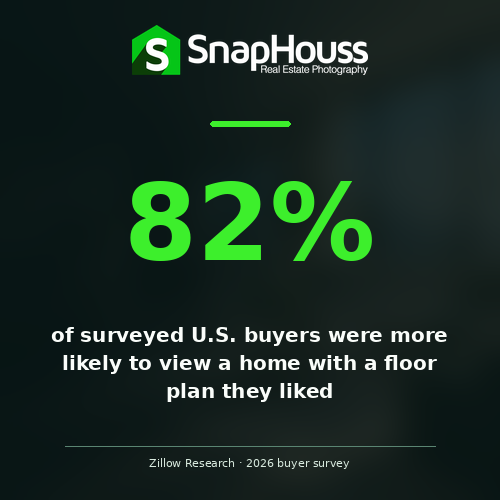
A plan is particularly useful when a condo combines compact dimensions with unconventional room shapes or an open-concept layout. Zillow Research's 2026 buyer survey found that 82% were more likely to view a home when its listing featured a floor plan they liked. That preference does not guarantee stronger offers or a faster sale, but it supports making the layout easy to understand. Confirm dimensions and measurement conventions with the provider, and check local condo or MLS requirements before publishing advertised floor areas.
Choose video and 3D tours for the right reasons
Video can trace the route from entry to living space, balcony and primary bedroom, while a 3D tour may help buyers examine circulation on their own. Neither should hide unclear or missing still images. Ask about mobile viewing, hosting duration, compatible listing platforms and whether the tour will remain active for the full campaign. If a particular building feature cannot be filmed, disclose the limitation rather than substituting footage of another property. An appropriately scoped package creates a complete view without adding needless complexity.
Respect Canadian and U.S. advertising standards
Agents should review MLS policies, brokerage rules and the law in the listing's jurisdiction. In Ontario, the Real Estate Council of Ontario directs registrants to verify AI-generated details and clearly label virtually staged or AI-altered images that depict the property. Other regions may apply different guidance. Do not invent furnishings that obscure permanent features, alter views without disclosure or present conceptual renovations as existing conditions. A condo gallery should be persuasive because it is clear, consistent and accurate—not because it hides limitations.
Frequently asked questions
Should condo amenities appear in the main gallery?
Yes, when permitted and accurately identified. Keep shared facilities separate from private-unit photographs and confirm access conditions.
Are floor plans important for small units?
They can be particularly useful where room dimensions and circulation are difficult to see in photographs.
Can a photographer improve a difficult window view?
Exposure and color correction can improve clarity, but the finished image should not alter the actual buildings, terrain or visible scene.
Is a virtual tour necessary for every condo?
No. Assess the layout, intended audience, marketing channels and package terms before deciding.
Book professional listing media
A strong condominium gallery brings private rooms, light, outlook, layout and amenity context into one coherent presentation. That can help buyers decide which listings deserve closer attention while supporting accurate disclosure. Visit https://snaphouss.com/ to explore professional listing photography and media options available in your market.
